Unpacking It’s A Wonderful Life
Six reasons why Frank Capra’s classic is an undisputed Christmas classic…




1. A Broken Dream
George Bailey (James Stewart) is one of cinema’s thwarted dreamers. Gifted a second-hand suitcase by former boss Old Man Gower (H.B. Warner) for his travels, George’s head is full of trips to Italy, Baghdad and Greece. Yet George’s youthful aspirations are undone by a sense of duty to both his family and community, Bedford Falls. Stewart makes the ache of disappointment palpable, immediately embedding an emotional centre in the film.
2. Fanfare For The Common Man
Some might dismiss the film as ‘Capra-Corn’, sickly sentiment on steroids, but it delivers emotional wallop partly because it is a grounded celebration of the lives and dreams of ordinary Americans. Released a year after the end of WWII, it’s a portrait of a colourful community just trying to do their best for themselves, and most importantly, for each other.
3. Love In A Cold Climate
Forget those Netflix Christmas rom-coms where an overworked business woman falls for a bland small-town baker (title: A Knead For Love). The Yuletide romance of George and Mary (Donna Reed) is the real deal, a winningly etched courtship that has it all: slapstick physical comedy (falling in the gym swimming pool), a winning walk home and a charged, shared telephone call where they are irresistibly drawn to each other. Lovely stuff.
4. Lightness Of Touch
It represents Capra at his most playful. From the initial conversation about George set among the heavens, to the freeze frame as George is buying his suitcase, the director is having fun with the form. In some ways, the newbie Clarence (Henry Travers), George’s guardian angel, is the filmmaker’s alter-ego, blessing the film with an impish quality that belies its saccharine rep.
5. The Bleak Midwinter
Known by the filmmakers as The Unborn Sequence, the stretch where Clarence shows George what life would be like if he never existed is the film’s masterstroke. In short, it’s Dickens’ A Christmas Carol in reverse as, instead of a mean old man being shown scenes of happiness, we have the world’s most likeable man plunged into despair. Its genius is that Capra doesn’t skimp on the darkness, George drunk and broken on the street feels real and raw.
6. The Happiest Ending
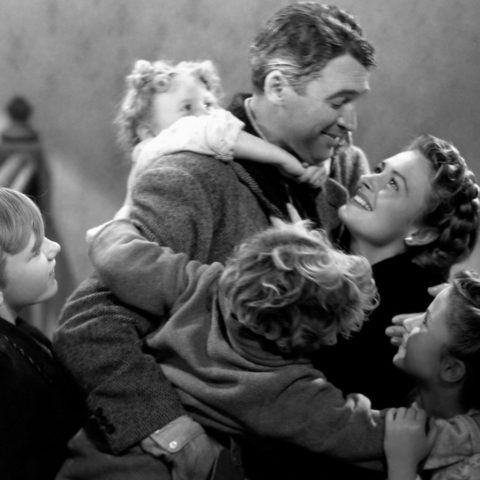
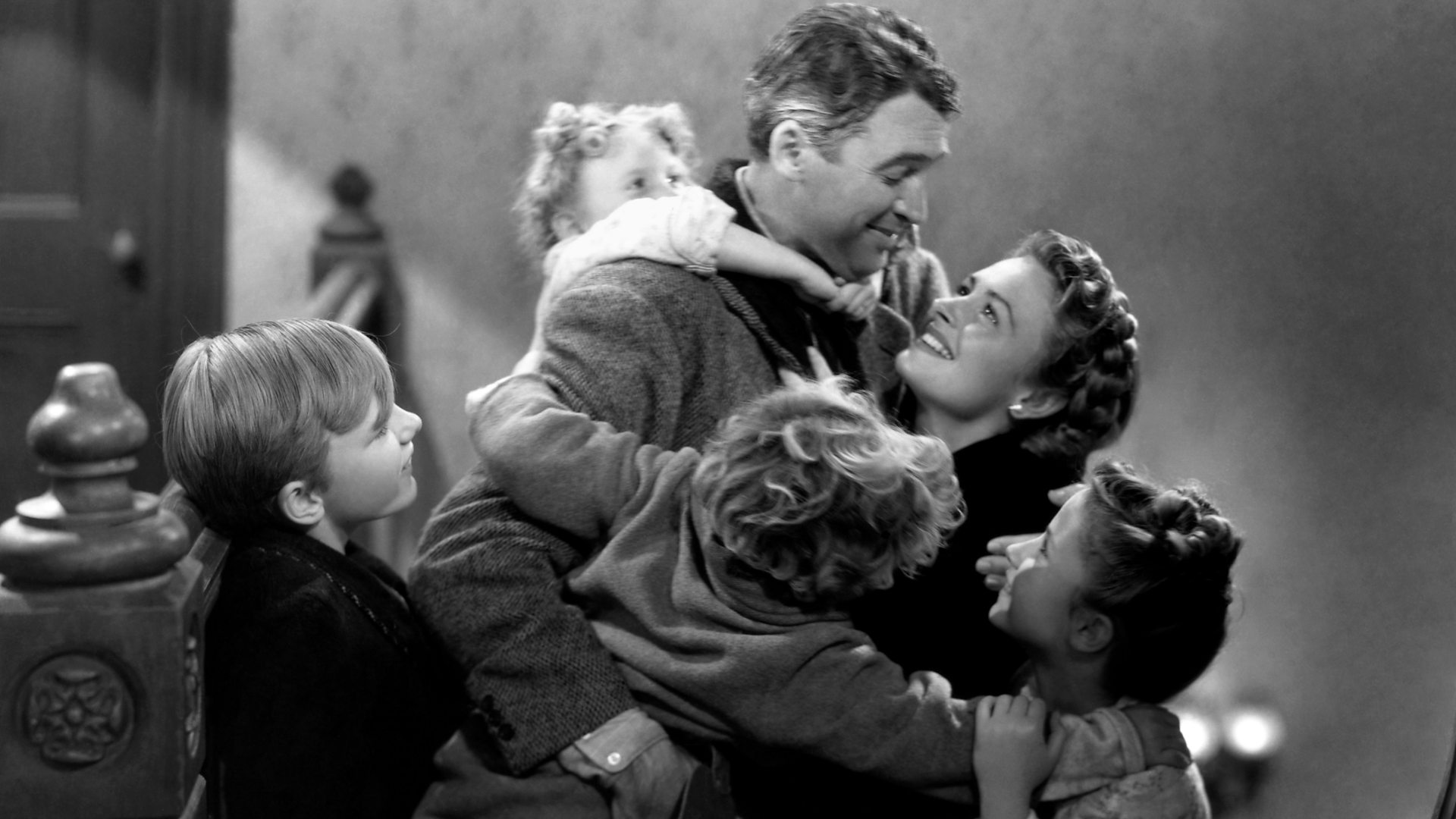
The ending is as joyous as movies get. George, with a rejuvenated spirit and understanding about his life, runs down Main Street wishing everyone and everything season’s greetings, Capra’s moving camera adding to the exhilaration. By the time the whole town turns up with the money to fill George’s financial hole, it feels at once completely earned and undeniably uplifting.